When your practice doesn’t feel good
When your practice doesn’t feel good
There have been times when movement just hasn’t felt good for me.
Not just in my yoga practice, but in running, skateboarding, surfing and the other things that would usually help me clear my head or shift my energy a bit. Sometimes the sessions that I expected to leave me feeling amazing sometimes did the opposite, and everything felt a bit heavy, slower than usual, or just slightly off.
It is so frustrating! These are the things that are supposed to make me feel good!
Yoga had always been something I could come back to (like home), running literally clears my head and heart, and skateboarding brought a kind of playfulness and joy that was hard to find anywhere else. So when those things don’t feel good, even for a short while, it’s easy to start questioning what was going on and if I should be ‘giving up’.
Often to counter these feelings, I try to push a bit harder, speed things up, or try to change something to make the session feel better. Which is interesting, because it’s probably the opposite of what I’ve written about before when it comes to slowing things down and actually paying attention to what’s going on.
Over time, I started to realise that not every practice was going to feel rewarding, and that didn’t necessarily mean anything had gone wrong.
Some days just felt flat.
The body didn’t respond in the same way, movements that normally felt familiar suddenly felt awkward, and it was harder to stay focused. There wasn’t always a clear reason for it either, which made it even more tempting to overthink it or assume I needed to do more.
But these ‘dodgy’ sessions still have some value, even if it wasn’t obvious in the moment.
Sometimes they built a bit more patience, or highlighted where my energy was lower than I’d realised. Other times, they were just a  reminder of something I come back to quite a lot, which is that consistency isn’t really about having a “good” practice every time.
It’s just about showing up.
I also started to notice my reaction to those kinds of sessions more.
The frustration, the urge to stop early, or the quiet comparison to how things usually felt. That in itself felt quite familiar too, especially if I think about how often I’ve written about meeting yourself where you are, rather than where you think you should be.
It’s just a bit harder to put into practice when things feel off.
Across all of these different types of movement, the pattern was pretty similar.
There were days where everything flowed and felt easy, and days where nothing quite landed in the same way. Neither of those lasted, an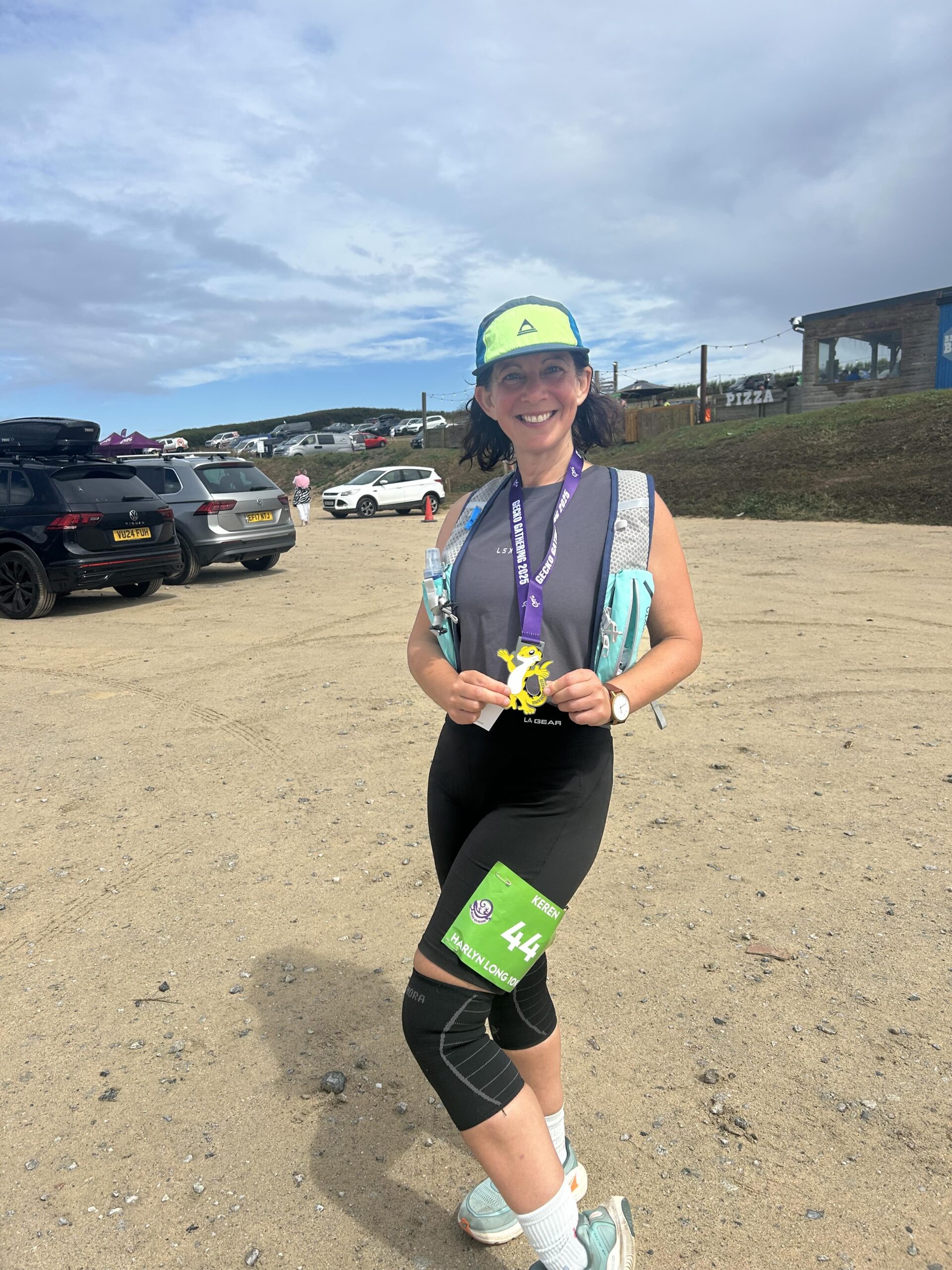 d neither one really defined the practice as a whole, even though it sometimes felt like it in the moment.
What seemed to make the biggest difference is how I respond to those off days. Knowing that everything changes – what I feel right now will be different tomorrow and how my movement practice feels today will be different next week and so on. It’s just about being present in the moment and accepting change is the only constant – without throwing all my toys out of the pram.
Because all of those practices, even the ones that don’t feel great, are still part of building something more steady over time.
They’re just a bit quieter in what they offer.